Homa Kundams | Mudkart
Different Types of Homa Kundams Used in Vedic Ceremonies
Learn about the different types of Homa Kundams used in Vedic ceremonies, their symbolic meanings, and how each Homa Kundam is chosen for specific rituals.
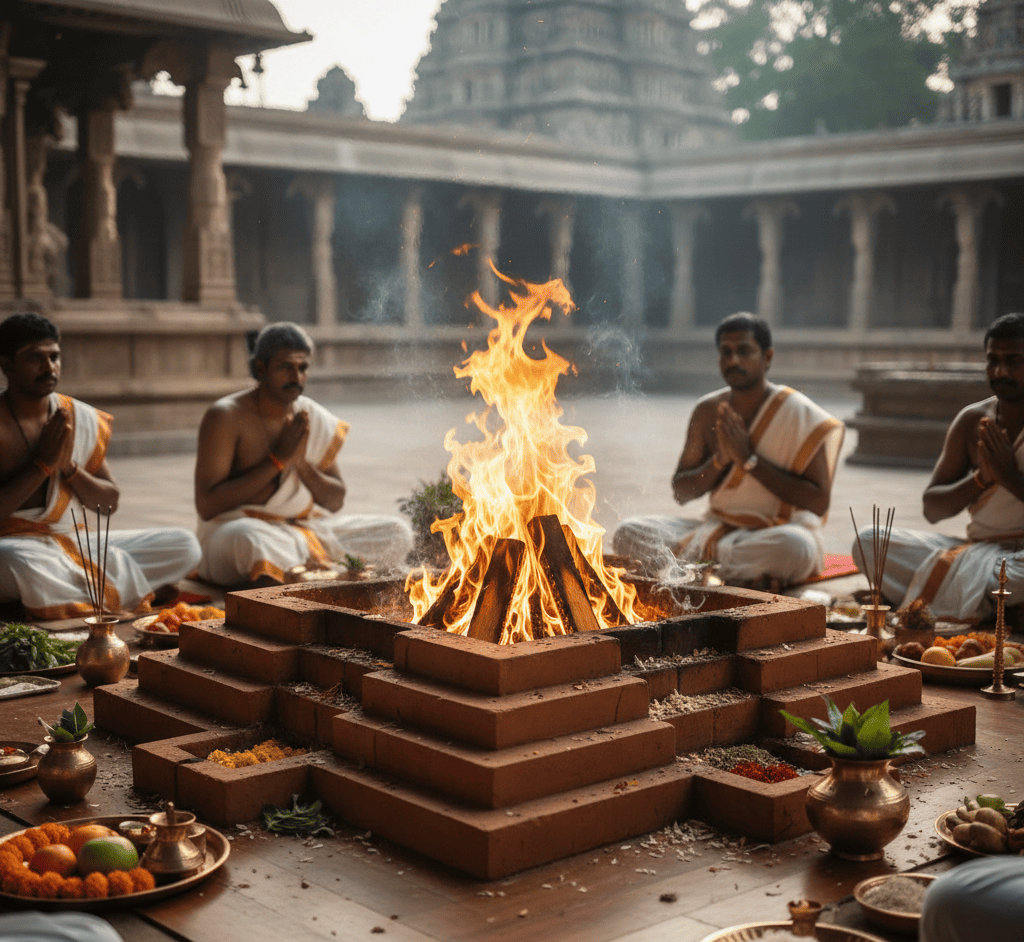
In Vedic rituals, fire is considered a sacred bridge between devotees and the divine. It is through the ritual fire that offerings, prayers, and intentions are presented during homas and yajnas. At the center of these ceremonies is the Homa Kundam, the specially designed fire altar used to hold and sustain the sacred fire.
The shape and design of a Homa Kundam are not merely decorative. In Vedic tradition, each form carries spiritual significance and is used for particular kinds of ceremonies. From simple household rituals to elaborate temple ceremonies, the choice of kundam plays an important role in the ritual process.
What Is a Homa Kundam?
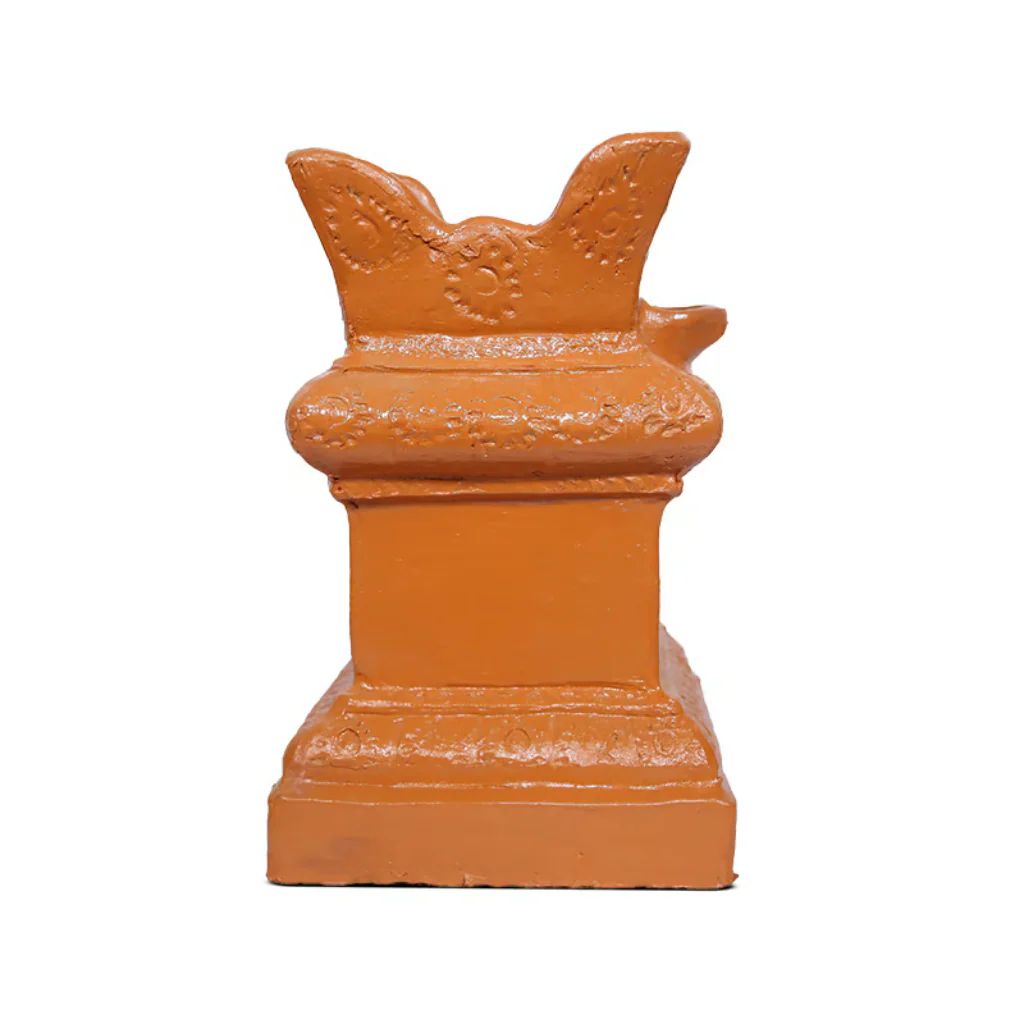
A Homa Kundam is a ritual fire pit or altar used in Vedic ceremonies such as homas, havans, and yajnas. It is usually made from materials such as brick, clay, copper, or metal, depending on the scale and purpose of the ritual. The altar is designed to safely contain the sacred fire while aligning with traditional guidelines.
In many ceremonies, the structure of the Homa Kundam is believed to influence the energy of the ritual. This is why different shapes are used for different spiritual objectives, whether the purpose is peace, prosperity, protection, purification, or healing.
Square Homa Kundam
The square Homa Kundam is one of the most commonly used forms in Vedic ceremonies. It is especially popular for household rituals and general-purpose homas. The square shape is associated with balance, stability, and order, making it suitable for ceremonies related to family welfare, prosperity, and peace.
Because of its symmetry and simplicity, this type of kundam is widely preferred in homes and temples. It is considered practical, traditional, and spiritually effective for a broad range of rituals.
Circular Homa Kundam
The circular Homa Kundam represents wholeness, continuity, and harmony. This type is often chosen for rituals focused on spiritual growth, emotional well-being, and inner peace. Its rounded shape symbolizes unity and the ongoing cycle of life.
In some traditions, the circular design is used when the intention of the ritual is to create calmness and balance. It is especially meaningful in ceremonies meant to invoke blessings, healing energy, and divine grace.
Triangular Homa Kundam
The triangular Homa Kundam is associated with power, transformation, and divine energy. It is often used in rituals dedicated to strong deities or in ceremonies that emphasize protection, courage, and spiritual intensity. The triangle is also linked with Agni and Shakti in many ritual interpretations.
This type of kundam is generally used for more specialized ceremonies rather than routine domestic worship. Its symbolism makes it especially important in rituals that require focused spiritual force and disciplined practice.
Rectangular Homa Kundam
The rectangular Homa Kundam is commonly used in larger or more elaborate ceremonies. Its extended shape allows more space for offerings and is useful when multiple priests are involved in the ritual. It is also suitable for longer ceremonies where many ritual steps are performed.
This form is often seen in temples and community rituals where the scale of the ceremony is greater. It offers both practical convenience and ritual significance in more complex Vedic practices.
Special Geometric Homa Kundams
In certain advanced Vedic and tantric rituals, specially designed kundams in shapes such as lotus, star, or other sacred geometric forms may be used. These are less common and are typically reserved for highly specific ceremonies guided by scriptural instructions.
Such designs are chosen with great care because geometry is believed to affect the spiritual energy generated during the ritual. These unique kundams reflect the depth and precision of Vedic ritual science.
Why the Shape of the Kundam Matters
The design of a Homa Kundam is more than a structural detail. In Vedic belief, each shape channels a particular kind of spiritual energy and supports the purpose of the ceremony. This is why priests carefully select the kundam based on the deity, ritual objective, and traditional requirements.
Choosing the correct Homa Kundam helps maintain ritual accuracy and enhances the sacred nature of the ceremony. It brings together symbolism, discipline, and devotion in a meaningful way.
Conclusion
The different types of Homa Kundams used in Vedic ceremonies reflect the richness of ancient spiritual traditions. Whether square, circular, triangular, rectangular, or specially designed, each Homa Kundam serves a distinct purpose and carries deep symbolic meaning.
Understanding these variations helps us appreciate the spiritual thought behind Vedic rituals and the important role that sacred fire continues to play. A well-chosen Homa Kundam is not just a ritual tool, but a vital part of the ceremonial connection between the devotee and the divine. If you are looking for the best Homa Kundam in India, reach out to Mudkart for a wide range of collections suiting your needs.
Related post
27
Apr
RECENT POSTS