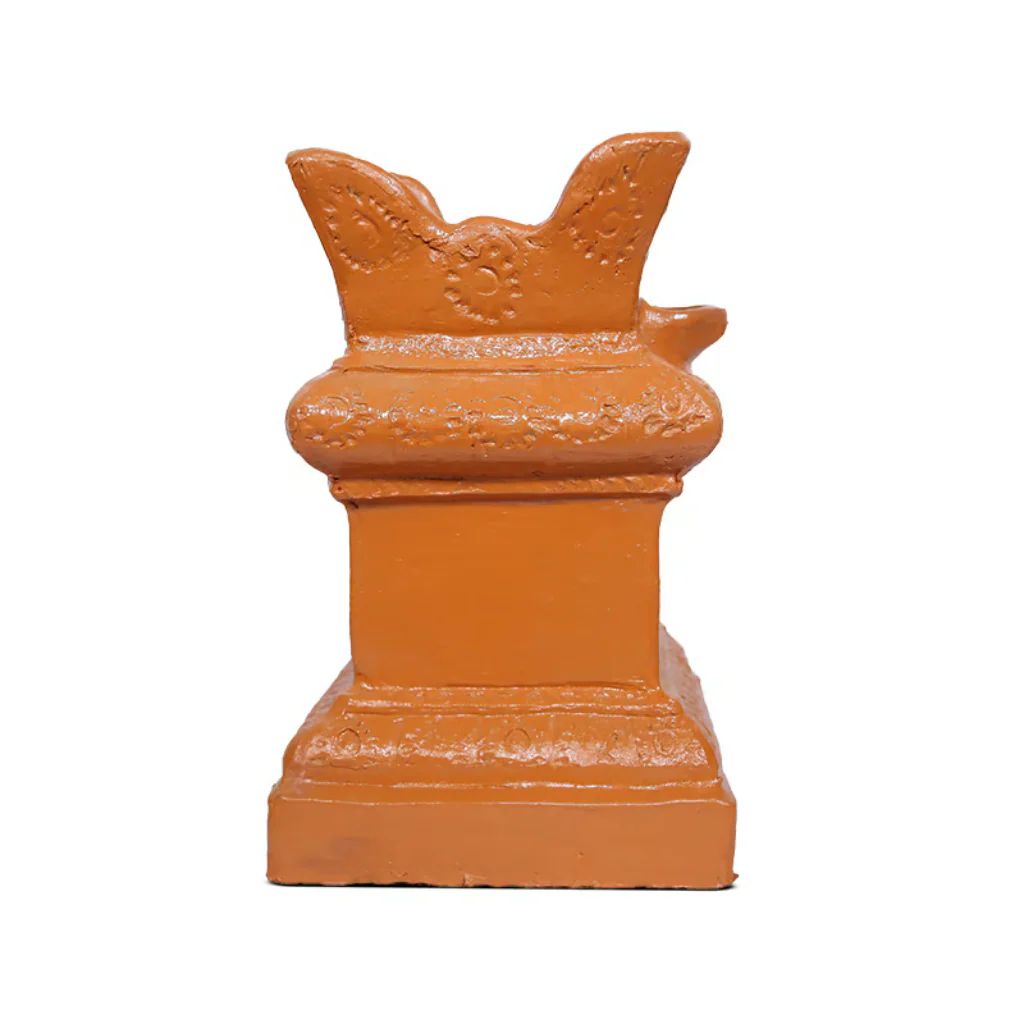
Filler Slab Construction | Mudkart
Common Mistakes to Avoid During Filler Slab Construction
Avoid costly errors in filler slab construction. Learn common mistakes, structural considerations, and best practices for durable and efficient slab design.
Introduction
Filler slabs have become a go-to solution for architects looking to reduce material usage without compromising on performance. Because they make total sense. Less concrete, better thermal comfort, and cost effective if done correctly.
What doesn’t get talked about is that filler slab construction is not very forgiving. Small mistakes during execution can quietly affect strength, finish, and long-term durability. And most of these issues don’t show up immediately, they show up later.
This is why getting the basics right matters more than anything else. Let’s look at where things usually go wrong, and how to avoid them.
What is Filler Slab Construction?
In simple terms, filler slab construction replaces non-structural concrete with filler materials like clay tiles, pots, or blocks. The idea is straightforward:
-
Reduce unnecessary concrete
-
Lower the dead load
-
Improve thermal performance
The structure still depends on reinforced concrete ribs. The filler just occupies the space where concrete doesn’t add any structural value.
Why Precision Matters in Filler Slab Construction?
Unlike conventional slabs, this system depends heavily on placement and alignment. You’re not just pouring concrete into a uniform form. You’re creating a pattern of ribs and voids that need to work together structurally.
If spacing is even a little off or materials shift during casting, it affects load distribution. And once the slab is cast, there’s no easy fix. That’s why most issues in filler slab construction are not design problems, but actually execution problems.
Common Mistakes to Avoid During Filler Slab Construction
Incorrect Placement of Filler Materials
This is one of the most commonly occurring issues. When fillers are not aligned properly or spacing is inconsistent, the load distribution gets affected. It may not fail immediately, but it weakens the system over time.
Using Low-Quality or Inconsistent Fillers
Not all filler materials behave the same. Variations in size, shape, or strength can create uneven sections in the slab. Over time, this impacts durability and finish.
Poor Reinforcement Planning
The strength of a filler slab comes from its reinforcements. If steel placement is not planned correctly, the slab may not perform as expected. This is where treating it like a conventional slab becomes a mistake.
Ignoring Structural Design Calculations
Sometimes filler slabs are approached as a “cost-saving alternative” rather than a structural system. Without proper calculations for spacing, load, and reinforcement, the design can fall short.
Improper Shuttering and Support
Weak or poorly fixed shuttering can actually lead to movement during casting. Even slight displacement can affect both alignment and surface finish.
Inadequate Supervision During Casting
During pouring, filler materials can shift if not monitored properly. Poor compaction or rushed work can also affect bonding between materials.
Overlooking Finishing and Alignment
Filler slabs are often left exposed for their visual appeal. Uneven placement or misalignment becomes immediately visible, affecting both aesthetics and usability.
Best Practices for Successful Filler Slab Construction
Most of these issues are easily avoidable with the right approach.
-
Use uniform, reliable filler materials
-
Maintain consistent spacing and alignment
-
Follow proper structural calculations
-
Ensure reinforcement is placed accurately
-
Use strong and stable shuttering
-
Supervise the casting process closely
It sounds basic, but this is where the difference lies, execution, not just design.
Why Do Architects Prefer Filler Slabs Today?
There’s a reason filler slabs are being used more often. They reduce concrete usage which directly lowers cost and environmental impact. They also improve thermal performance, making spaces more comfortable.
And when done well, they add a distinct visual character to the ceiling, something conventional slabs don’t really offer.
Conclusion
Filler slabs work. But they work the best when they are executed correctly. Most failures are not because the system doesn’t work. They happen because small details are overlooked during construction.
With careful planning, the right materials, and proper supervision, filler slab construction can deliver both structural reliability and design value.
And in most cases, that’s exactly what architects are aiming for. Visit: https://mudkart.com/.
Related post

27
Apr
RECENT POSTS